Saturday, September 21, 2013

High Society, Small Town Tennessee


She tells me what a visitation is,
as if I’m a child who has never seen death before
How to dress, how to act
for it is always wise to warn
the proverbial black sheep

Its going to be the biggest social event in town
she said
Everyone will be there
The skinny cousins and their perfect hair
bmws, rich husbands, designer shoes

The upper elite of small town nowhere
They circle the room
like birds of Prey
Saying things such as “god’s will”
and “better place”

the preacher tries to capitalize on her death
fire and brimstone
a chance to notch more souls on his belt
which is why I left the church in the first place
the long lost sheep of the flock

When they have all gone
I think about how you loved me
How you and I would have held hands
and laughed at the pageantry

in your simple, sweet, name

Sunday, April 28, 2013

Perspective


Do not forget those who mythology has named the giants. They are known by many names, and were created by the blood of Uranus as he fell into Tartarus weeping of shame.  We will find out what became of them shortly, for they had a hand in this story, to say the least. For now, let us focus on Uranus.
Castrated by his son, alone in the deepest dungeon, he stewed for epochs. The only thing that kept him alive was the curse he had shouted to his son as he fell. His eyes reflected an image of his son raising Uranus’ cut genitals to the sky, “This too will follow you, son,” he screamed in agony, “Your son will usurp you, and his son after that.” Then he fell into his prison and his misery. Time stood still (for him) marked only by changing emotions as woe turned to anger, and anger to plans for revenge. Wandering in the dark labyrinth he stumbled upon the Cyclops and Hundred Handed ones. They cowered with fear as he spoke.  In the darkness of the pit he offered his banished sons a truce. Together, they would storm the Earth and take back his throne from his upstart son, Kronos. They would deliver the Titans to the darkness, and in exchange he would make them all kings. But the gentle sons of Gaia remembered the murderousness of their father and backed away into darker recesses. Here, inside of their mother, they remained safe.
Time marched on. Above in the sunlight, the golden age of man was flourishing. Some call the golden race the keepers of a garden named Eden, reduced in the stories to one man and one woman known as Adam and Eve. They were the humans whose lives were simple. They hunted wild animals, and gathered the fruits from the trees. They laughed and danced and no one ever died. The population grew and power struggles over how society would evolve emerged. Civil war erupted, and the race of gold split into two futures. One band, fathered by Cain (yes, the first murderer, according to some stories) - learned how to cultivate plants and make them do as he willed. They grew food from the ground and hunted beasts on the open plains. They were happy people who worshiped the ripe women who gave birth to new men as the land gave birth to the food which filled their bellies. Life was good. The other band was fathered by Cain’s brother, Abel.  They learned the art of domesticating animals and lived rich lives travelling from field to field, fattening their cows on the prairie grass and drinking the milk that fell from the beasts’ teats. They worshiped Kronos, but had forgotten his name, reduced to simply, “God.”
Kronos was happy. He married his sister Rhea, and remembering his father’s words, he vowed to defeat the curse. Full of self-importance, he believed he was special. His father’s fate would not be his own. As each child was born, he ate them. No child would usurp this father. Unfortunately, Kronos, like most men, did not understand the fierceness of a mother. He should have tried to understand her love for her children. He should have paid attention. Like Gaia before, Rhea watched in agony as her sons and daughters were swallowed by their father. History repeats itself. After five children were gulped in his glutinous belly she swore that her sixth, a boy, would live. She handed her husband a stone wrapped in a swaddling blanket.   If he had paid attention to her face at that moment, he might had known he was being deceived, but he was too full of his own cleverness to see the smirk that spread across her face.
She named the boy Zeus, and handed him off to nymphs. His cradle hung from a tree so he touched not heaven or earth and thus remained hidden from his father. He was fattened on milk and honey.  When he became a man, he was determined to free his siblings and fulfill his destiny.  He sought out Metis the Titaness for advice. If she could have foreseen the future, how his rape would drain her of power and end the time of women, she might not have helped him. However, she did not have the gift of fortune telling, so our story continues.
Metis mixed him a potion that would make his father ill, and using his mother’s connections he found a place in the court of his father as a cup bearer. While serving his father at the foot of his throne he became even angrier with his father, for not once did Kronos recognize that his cup bearer was indeed his own son. Though he knew his father believed him dead, Zeus had still hoped that his father would see him. He fantasized that Kronos would embrace his son and be thankful that he was alive. They would celebrate, maybe even go fishing, and then Kronos would make him his heir and they would rule humanity together. Every boy wants his father’s approval. Every father fails to see his son for the man that he is, until it is too late. Once Zeus realized that his father would never notice him, he became steely in his resolve. He prepared Kronos’ honeyed cup and put Metis’ potion inside. After his father gulped the medication down, he immediately felt sick. He looked into the eyes of his cup bearer and saw murder reflected, mixed with shame, relief, and boyish pride. That was the moment when he recognized his son and knew that Uranus’ curse had come to pass. First, he vomited the stone that his wife had disguised as Zeus. Realizing her deception, a tirade of curses at his wife fell from his lips before all of the sons and daughters he had devoured spewed from his mouth. The children were unhurt and made Zeus their leader. It took ten years of war, but finally, the Olympians defeated their father and his siblings.
Still, Uranus wandered the darkness below, unaware that his curse had come to pass. He continued searching for a new plan to exact his revenge. For hundreds of years he walked in the shadows of the pit, plotting and scheming, but nothing concrete had come to mind. One morning (perhaps it was morning, for there was no rising and setting of the sun in this endless blackness) he found his son Kronos and many of his other Titan children weeping in the darkness. Together, they forged a plan for retribution.
*
            Uranus and the Titans tried without success to escape Tartarus. Only those who had descended as innocents could leave its darkened halls. Near to giving up, beginning to feel complacent with the society they had created in the depths, they finally stumbled across the giants who had been created by Uranus’ blood as he fell from the sky. The stories collected into holy books spoke only the blood of the Holy Father; many details had been left out. Translations muddy things up.  The giants had been cooking inside of their mother for epochs. Now, at the direction of their father, they prepared to rise from Gaia’s folds. Their quest was simple enough for immortal children: rise up from the earth, defeat the Olympians, and then release Uranus and the Titans from their stone prison. Uranus would become the supreme god, the Titans would mete out his rule on the Earth, and the giants would become kings among men.
Time marched on. In the sunlight, the Olympians had succeeded in uniting the children of Cain and Abel with a simple invention called a plow. With this new device the sons of Abel were able to join with the daughters of Cain. Their feud from former lives was forgotten. The domesticated animals helped to create fields of domesticated plants, and society evolved to another level. Beer was invented. Now, the humans did not all have to focus all of their efforts on making food, for it was so plentiful. They had more time to dedicate to worship of the gods, and poets were born. The Olympians were proud of this new world. They became fat on the meat that the humans sacrificed to them, and became drunk on the wine that grew from the grapes of their fields. They paid no attention to the lost sons of Abel. Following their patriarch, Abraham, they had retreated across the Mediterranean Sea. They did not know the Olympians, for they were wandering the desert and enslaved in Egypt during the time of the war.  They only worshiped Kronos, who if you will remember, went by the name God to this lonely tribe. Kronos heard them from below. Their prayers fueled his powers and through a long and winding tunnel connecting Tartarus to the lands above, he spoke to them. His words became a magic book, and he promised these sons of Abraham that he would always protect and love his chosen people. They would rise to greater heights centuries later when one of their own would walk the hot desert sands and preach about love and forgiveness and later, after his death, would conquer the world.
The Olympians should have taken notice, but instead they laughed at this tribe. They were too drunk, their bellies were too full, and they were too busy having affairs with the mortals below. Their empire of humans had grown, and there was a lot of pleasure to be had.  They should have consulted the fates sooner, for perhaps they would have foreseen how this tribe would grow, how their beliefs would lead to the Olympians confinement in dog shaped prison. They would have seen that their stories became nothing but fairy tales.
*
Time marched on. A prophet was born to the Israelites, but they did not recognize him. Many prophets walk on Gaia’s skin, unseen. Most are now confined to rooms with pillows for walls. The world is uninterested in prophets. But this time, where our story sits, the world was waiting for a messiah. Born to a poor unwed mother (who later recouped her virginity in the stories, to keep things proper, you see) he lived a normal life until he was approaching middle age. A great storyteller, he developed a following. Below, Kronos and Uranus listened. So did the people. His stories were a threat to the dominant culture who still worshiped the Olympians, and so he was sentenced to death. The brutish Romans loved to crucify their enemies and leave them on display, and that is what they did to this man, now known as Jesus.  No one knew that a religion was born from this moment that would spread across the world, but as his teachings gained notoriety after his death, Kronos and Uranus saw their chance. If they had the people on their side they could win any war. The giants burst forward from the womb of their mother in full battle gear. The cross that Jesus was crucified on emblazoned their armor, and the giants marched toward Athens.
*
            Sadly, (for them) this first attack by the sons of the blood of the Holy Father failed. Jesus’ people were still few, and they were thwarted by a lion skinned mortal. The giants fled back into the depths of Tartarus. Their only success was in assassinating a Roman emperor named Severus Alexander. Though this seemed inconsequential at the time, it started a spiral of decline for the Roman Empire.  During the following chaos of civil war and invasion caused by this assassination, the Olympians power began to wane. More and more were turning to a new religion, Christianity, based on the life and death of the wandering barefoot Jew. When the giants staged their second attack, just one hundred and fifty years later, there were no mortals who would fight for them. They were easily subdued. There was only one catch. Because they were immortals, they could not be killed. The giants, however, had come prepared. They forced the Olympians into the bodies of dogs. Alcyoneus, the leader of the giants marched to Rome and was made king of the newly Christian empire. He took on a new name- Theodosius. In his new role, he made the Olympians illegal, and saw over the murders of any that still believed. The giants forsook their brothers in Tartarus. Why would they give up their new power in this land to Uranus and the Titans? The giants had done all of the fighting. The giants did not need Kronos to wield power over the earth. They named themselves popes and emperors and developed a system called absolute monarchy. They blended in with the mortals and with magic, they let their bodies age and as one body died, they inherited another. History is full of stories of the giants, but they had many names. Nearly every great and terrible leader in history is actually but one of the nineteen giants. No, they did not go back for Uranus or Kronos. They left them in the depths of the earth, where their cries of anger led to earthquakes and typhoons above. The dogs, dethroned from Olympus, wailed for a time but then slept in the temples that were beginning to crumble. They forgot who they were. The people kept them alive only in stories. The dog gods were cursed to lifetimes of patrolling their ancient sites. They struggled with memory. When the dogs slept they had an inkling of their former lives, but aren’t we all gods when we sleep?

Sunday, February 24, 2013

1977

The racecars kick red dirt, spinning the world into sepia. She plays in the hidden house beneath the bleachers; the muted roar of the race vibrates the tiny house made for tiny wooden people. The flags drop and she crosses the track, red dirt clings to her feet like chalky, dry wine. Cars blur with gasoline’s sweet tang. She spots the red one like a pirouette and prays for Orion to emerge from the dust and the whine of the race to be replaced by the cicada’s song.

Sunday, April 24, 2011

The Beginning


This is the first part of the novel I'm working on, please, any comments or suggestions are welcome.

The Wild Dogs of Athens


"Outside are the dogs, those who practice magic arts, the sexually immoral, the murderers, the idolaters and everyone who loves and practices falsehood."Rev. 22:15

“… And aren’t we all gods when we sleep?”

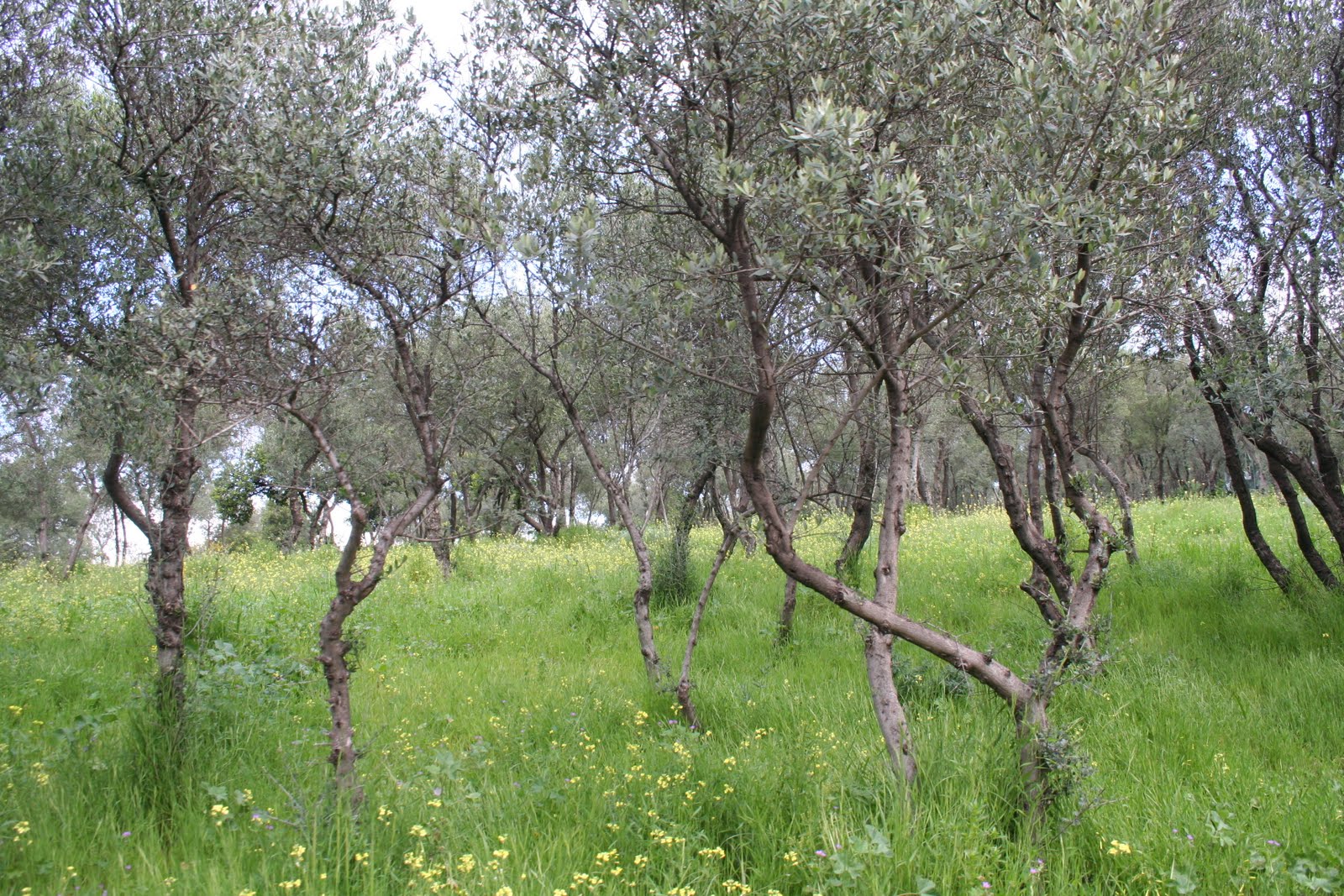
It was a fleeting thought, one he couldn’t remember the beginning of. Even as he rolled over to face the sun peeking through the olive trees, the end of the thought disappeared from his memory. Memory. He didn’t have much of one. He didn’t even remember his mother. Perhaps a memory was not a thing he needed; every day was the same. He patrolled the ancient temples that looked so different in his dreams, and ate oranges and olives that fell from the trees. Sometimes a human would leave him part of a sandwich. Deus liked the sandwiches with the fatty meat the most, more than licking the oil of the olives squashed by the mortals as they walked. He spent most of his time watching them. They spilled out onto the slippery stones like ants, speaking languages he couldn’t understand. They walked around the monoliths on two legs and took pictures of his home. Then they walked away, while more took their place. He felt as if he knew the humans somehow, he was familiar with their expressions and gestures. Yes, he knew them, but he couldn’t remember how he knew them, so he watched and waited. He couldn’t remember what he was waiting for.

Deus stretched his muscles and decided to leave the olive grove for a stroll through the ancient stones. He padded past the wooden shack where the bipeds exchanged paper for dough rolled in sugar and the juice of oranges. The people had not arrived yet. It was quiet. He continued down the path of hard concrete and climbed up the steps to the rock where he could command a view of his city. He sat in silence as the sun rose over Athens.

***

He heard her approach before she spoke in her shrill voice. The sun was a quarter of the way through the sky. He did not let his powerful black body betray his awareness. She was called Queenie by the other dogs of the grotto. He called her cow, but only secretly. “Why didn’t you come back to the temple last night?” She howled. She sat beside him on the Mars rock. “You smell like a half-bred bitch.”

Deus sat, stoically. “I slept in the olive grove last night. I missed the grass and the sound of the silvery leaves in the wind.” He cast Queenie a sideways glance.

“Pssht. You went to the city last night and drank from the wells of those… other dogs.” She was right, of course. He was mysteriously one of the only canines who were able to cross through the gate into the bustling city below. He liked to go into the town after dark and drink the wine spilled by the drunken tourists and visit with his female friends who lived on the streets, always keeping an eye out for his lost daughter.

“I am your wife, don’t forget that.” This was one of the things he couldn’t lose consciousness of. He didn’t remember marrying her, but she would never let him relinquish the memory that they were bound for eternity. He gave her a long, quiet look. She was a very beautiful dog. She had big, bewitching cow eyes and strong white teeth. Her fur was milky and shined in the sunlight. The shine wasn’t natural, she was just vain and when it rained, Queenie would roll on the stones that were slick with the juice of olives. Then the other females would comb her fur with their claws. Despite her beauty, she had a repulsive voice, and a terrible temper. Her jealousy of the ladies he played with in the city led her to nag at him constantly, yet he always came back to her.

“I do love you, Queenie. Come, it is time.” Deus said. The two descended together from the rock, up the stairs to the ancient gate and took their places at the crumbling temple. They would spend most of the day there, watching and waiting for something they had forgotten. They would alert the other dogs in their pack to the presence of bad men. They raised their voices to howl when these men bumped into the tourists and emptied their pockets. They let the humans take pictures of them, stroke their fur and feed them bits of lamb and bread with honey. They barked at gypsies. They listened. It was a good life for a dog.

Saturday, February 5, 2011

When the trees fell

Throughout the last four days of ice and snow, I found myself thinking back to the ice storm of 2009. It has taken me two years and four days to write this. I'm feeling like this is still incomplete, that I'm missing something. Any help at all with this piece would be appreciated.

The mood changed when the first tree dropped. Three more fell. Then a cacophony of crisp pops, like Chinese fireworks on the Fourth of July. This was no longer a party. Before that moment the large group of friends had been drinking and reveling the unexpected day off and the pings of the ice on the metal roof. The forecasters were never on target, and they had given up listening to them a long time ago. The sound of children playing filled the old wooden house, as adults drank Baileys and Coffee and made collages from old magazines.
“The power is going to go out,” said Dylan, when the trees began their attack.
“Don’t say that. Take it back.”
The light in the room turned brown and a deep hum filled the house.
“Take it back now.”
“I take it back,” He said, apologetically.
The ice continued to fall. The trees continued as well. The sound of chandeliers dropping all around them was ominous.
Then everything went black.
“This is your fault. You shouldn’t have said it.”
Seriousness ensued. The candles were brought out, flashlights located, and blankets piled into the living room to make the five children a warm pallet on the hideaway bed. The music shifted to Radiohead. Sad songs played until the laptop battery died. The refrigerator wasn’t humming. There was no sound beyond the collapse of the trees outside. Everyone went to sleep.

When Suki woke in the morning she could see her breath. All around her were sleeping bodies- on the floor, the bed, in the futon. She ached for her sons but they were downstairs in the pile of dreaming children. The house was brittle, and she carefully went downstairs to make sure the children were warm enough. Her two sons were wrapped up with their arms around each other. Soon enough, the whole house began to wake. There was no coffee, no heat, and an excess of hang over. The decision was made to evacuate. It was a scene from a horror movie, except everything was sparkling outside. You are never supposed to split up when zombies attack. Still, the group went separate ways to find places of refuge that had some sort of heat.
The entire town was a wasteland. There were no batteries. The liquor store was sold out. Only the McDonalds was open. The line that wrapped around the building of cold and hungry people smelled like the Soviet Union. They ate sausage McMuffins and drank black coffee while they charged their cell phones. Each person was isolated in their misery, and yet they all shared a common fate.
They landed at Donna and Jason’s home. Thanks to the wood burning stove and the open invitation, it had become a haven. Twelve people, four dogs and two hermit crabs had found themselves piled into the living room. Blankets brought from home created a giant sleeping pallet for the families to share. The bashful nights were spent snuggling family, the roar of the fire the only sound. The front porch was converted into a kitchen where a constant percolator of coffee was brewing. Ice chests full of salvaged food from silent refrigerators lined the wooden walls. The kitchen became an art studio and poker arena. Children covered paper with markers while adults traded chips of red, white and black. Wine flowed. There was laughter. A sweet six-year-old voice sang “Nowhere Man” and “Help”. Bound together the disaster became beautiful. The sun tumbled out, creating a dazzling display of diamonds outside. The roads began to thaw; only the trees covered in a blanket of ice blocked the paths. Cheers erupted when power trucks went by, heroes from across the nation working on the lines that had left the majority of the city in quiet darkness. People came out of their homes and talked to their neighbors for the first time. They shared food, chainsaws and firewood.
Out of the depths of ice and fallen trees, out of cold and darkness was born warmth never to be seen again. Together, we were dirty. Together, we did not go hungry, or become cold. Together, we survived. We laughed, and sang, and played. Three days later the sound of refrigerators humming and heaters coming to life took everyone home. Life returned to normal. Insurance companies were contacted.
By the time the next ice storm would appear, we would all be prepared with our kerosene heaters and generators. We would have a stash of batteries, candles, flashlights and Ramen. The next time, we would weather it alone. It would never be that warm again.

Sunday, November 7, 2010

Lost Valley

She dances across the rocks
arms akimbo like an airplane
happy eyes and skin
drink in
the devastating depth
look skyward
spirals of spindly branches
with splashes of
ruby, tangerine and liquid sun
that drip one by one
then float to the earth
and sleep.

Riverwind

There are thirty-two canoes and when it is quiet and dark they escape the cabin into the map of the river. The buffalo watches, wishing. He stoically stares at the map, waiting, wanting their adventures. He remembers the river- the smooth stones, the breeze; the sunset leaves against the blue sky. He closes his eyes and conjures up the smell of autumn and movement. He hears the laughter of the water. When he opens his eyes he is on the other side. The little men from the cabin float by. It had taken years of focus, patience, and determination, and the water tasted better than he had ever dreamed.

14

A girl
with budding breasts
and skin like peaches
lay on the scratchy
argyle blanket
In the field
looking up at the stars
next to a boy
she secretly loved
praying to God
that his hand would
accidentally
brush against hers

Saturday, July 17, 2010

I am from

I am from crickets and cicadas on hot August nights
from porch swings and hands like paper
I am from grape juice instead of wine
(where God entered papaw’s head every Sunday and flew out his mouth)

I am from fried chicken picked up at the corner store
mingled with the smell of gasoline
(just like heaven, I know)

I am from the sound of your heart breaking
as I left the church
as you gave away your sons
(the secret family, unspoken)
as you buried the dead baby who looked like me

I am from black sheep and hymnals
from baptisms in the river
from dusty roads that snake through the jungle

I am from the pageantry of small town
nowhere

Silence

If this ladle could talk, it would share stories of a life so beautiful
how it worked so hard on the day of rest
The feel of Mina’s soft hands
anticipation of being immersed in the
hot, fragrant soup
as it scooped the matzo balls
floating like heavenly bodies
in the balmy broth

it would tell you about the company kept
how it
yearned to touch the crisp, white tablecloth
nearly stroked the golden braided bread
loved to look at the candles burning in the
sterling silver candlesticks
the scent of cinnamon
escaping the spice box

If this ladle could talk, it would sing to you
about
the music of its life
the rhythmic and ancient prayers
rolling from their lips
the family
joined in joyful songs
papa’s booming voice
as he placed his powerful hands on the children’s heads
and blessed them in the name of
Sarah Rachel Rebecca Leah Ephraim Menache

If this ladle could talk, it would share with you
how Mina’s hands became rough and cold
the soup turned to beets
then water
then air

how it
lay entwined with the tablecloth
no longer white
as they huddled together for warmth
hiding in the floor of the cold, dark ghetto

it would cry to you of how it
hungered for its companions
who one by one
disappeared
the spice box, now empty
the candlesticks, stuffed with cotton
when the candles were all gone

If this ladle could talk, it would sing to you
about the prayers, turned to whispers
like papa’s voice
as the blessings
Sarah Rachel Rebecca Leah Ephraim Menache
all gone

it would tell you
of ____

Thursday, July 15, 2010

Response to Writen in Pencil in a Sealed Railway Car by Dan Pagis

Written in Pencil in a Sealed Railway Car- Dan Pagis

here in this carload
i am eve
with abel my son
if you see my other son
cain son of man
tell him that i

(by Suki Highers)

am sorry i ate the apple
but it was red delicious and beautiful
i am sorry that my act
(so human)
created that which we call sin
sin begat sin
murder
the first
brought on by jealousy
from greed

tell him that i
love him
even though
he has put us on this
train
toward death
but it was red beautiful and delicious

Thursday, January 14, 2010

I Have a Mad Renaissance Crush on Botticelli

As I turn the pages of the magazine, I imagine life for the girls inside. They sleep with nothing on, removing their skin each night and placing it in the icebox. Upon waking they slip it on over their bones, and eat a breakfast of non-fat yogurt before rushing to the tanning bed to change the color of their husk. They alter the hue of their hair, as well as its texture using heat to dispose of their curls. To my lover, Botticelli (a long distance relationship of time and space), they look like peasants. I am a queen in his creation. He relishes in my pale skin and tickles the curve of my belly with his paintbrush on the canvas. He gets lost in my soft thighs and worships every one of the curls plated in gold that fall down my back. After he paints me, we take a cup of chocolate together. We laugh about how art and beauty will take such a twist in the future, how the students in my class will not recognize me in his masterpiece.

Friday, December 4, 2009

Date Night

It would have been clever
had you pulled it off

You looked like John Cusack
in Say Anything

The Yucca in your face

All in all it worked out pretty well
It's just the burden of vanity

Friday, November 27, 2009

25 minutes to a connecting flight

(before you read this, I'm confident that you are not...
What I mean is I'm pretty sure no one is reading this blog.
But, if you are, I'm new at this poetry thing, so don't judge me too harshly.)

25 minutes to a connecting flight


There’s a poem in this room
nameless airport
yellow walls cling with nicotine

So many people
seeking solace in a cigarette
with small talk about rooms in airports like these

They come and they go
the smoke witnesses all
glimmer of fresh air when the doors slide apart

There’s a poem in this room
but I can’t find it for all the smoke
So I guess I’ll have just another

Tuesday, November 24, 2009

Redemption Song

            The smell of the jungle was instantaneous, the moment they stepped out of the plane.  The air was thick and green.  The young girl with her long blonde hair, the same color as the hair on her legs, and her boyfriend who also had a lion’s mane of golden curls, looked around the airport for the boy’s father.  He was nowhere to be seen.  Their hearts were beating together in anticipation of their adventure and in fear of the absence of the father; so they strolled through the airport in Jamaica with their backpacks slung over their shoulders looking for him.  He was supposed to be here to pick them up, to guide them through their first trip to a strange land- but they were alone. They decided to go to where the father was staying, and they stepped out onto the busy street with all of the dark faces speaking an unknown language, and began the walk to the hotel.
            The streets of Montego Bay were a swarm of people.  The whites of their eyes and teeth stood in sharp contrast to the rest of their bodies.  Everyone wanted to speak to them, to touch them.  People were smiling through veiled eyes as they tied tiny bracelets around the girl’s wrists and offered to smoke marijuana with them.  When she politely declined, the people became sullen; their eyes no longer veiled, they demanded money for the trinkets tied to her.   Their walk to the father’s hotel was a string of unfamiliar faces and lines with a pleading undertone, “Rasta… I’m farmer Joe, I have the best shit on this island.”  “Lady, I have a beautiful necklace here for you.”  “Psst…” The girl looked at the boy.  “I need a cigarette.  This is too crazy.”
            They walked up to the hotel and stepped inside.  A blast of air conditioning reminded them of home, and when the glass doors closed the smell of the jungle disappeared.  “Can I help you?”  A tall, dark man with a thick accent stood there.  “We are looking for my father, he should be staying here,” the boy replied.  He gave the man his father’s name.  The tall, dark man looked at the ancient computer in front of him.  “I’m sorry, sir.  I don’t have anyone with that name staying here.”
            The girl sucked her breath inside a little too quickly.  They didn’t have much money, and this hotel was powerful and made of glass.  The trip was a gift to them from the boy’s father for their graduation from college, he with an English degree, and she with her degree in Cultural Anthropology.  “How much would a room cost for the night?” she asked, doing a poor job of hiding her sudden distress from the tall, dark man.  “It is 150 United States dollars a night.”  The girl had tears welling in her eyes, and she was fighting to keep them in. She stared at the ring on her toe.  They only had about two hundred dollars.   “I need a cigarette,” she said.  The boy asked the tall, dark man if he knew where he could buy any.  “I’ll sell you some.”  He held out a pack of Marlboro Reds that was already open.  There were around 15 cigarettes in the box, and something green poking out of the top.   “Fifteen dollars.”
            The boy, gentle and romantic, and not yet aware of the haggling that was common in Jamaica, bought the cigarettes and the weed inside for the fifteen dollars.  His sweet girlfriend was scared, he was nervous himself, and felt he needed to keep her from crumbling.  He believed that a cigarette, a little piece of home, might hold her together until they found his father.  They each lit one, and when the nicotine entered their bodies and took the edge off of their nerves, they walked down the busy road; back into the throng of people and goats and bicycles and cars, so they could decide what to do.
            In the street the Jamaicans did all they could to get the couple to buy something from them.  Their desperate eyes and growling bellies made them brazen and intimidating to the boy and girl, and the young couple felt as though they were passing from hand to hand in a mosh pit.  Their American Southern sensibility told them to be polite and smile, but their hearts were drumming with the desire to run away.
            The girl spotted a man who seemed to glow in the throng of people.  He was a man with unveiled eyes, sitting next to a taxicab.  He locked eyes with the girl, and appoached the confused couple, so white, so lost, and offered to help.  His smile was genuine, his eyes bright, and his voice deep and melodic.  He was a large man, who hovered powerfully above everyone else in the crowd.  Despite his girth, he was an immediately calming presence.  Once he spoke to them, the other people on the street slunk away.   He got the couple into his taxi, where an effigy of Jesus on the cross hung on the rearview mirror.  It clinked against the glass rhythmically as he drove them to his friend’s hotel on the outskirts of the city.  His voice was mesmerizing, and he told them beautiful things about his homeland, that seemed to be in sharp contrast to the den of covetousness that they had experienced thus far.   They pulled up to the hotel, a place they could afford on the top of a hill, where the paint was peeling and goats roamed.  Their guardian took them inside, and talked to the people who owned the haven. As he was departing, he gave them a genuine smile and a business card with his name, Percy, on it.  The card was simple and white with blue ink.  There was an image of Jesus in the background.  When he drove away, the girl read the Bible verse on the card.  “I am going to send an angel in front of you, to guard you on the way and to bring you to the place that I have prepared.”  The young couple smoked some of the aromatic herb on the balcony, and talked about the strangeness of this place, and the blessing of Percy.   They let the uncertainty of the situation drain out of them, as they fell into the soft bed under the mosquito net and drifted into a sweet sleep.   They would find the boy’s father tomorrow.  They had to.


            The boy and girl awoke to a magical land.  The wetness of the air had lifted, and the sun streaming through the coconut trees was full of promise.  The hotel had a little cafĂ©, so they went downstairs and ordered a Jamaican breakfast of salt fish and fried plantains.  They drank the pungent Blue Mountain coffee and watched the goats eating the grass and tin cans. They stared at the sprawling city of Montego Bay down the hill.  They could see the blue ocean stretching out beyond the ramshackle buildings and concrete, never ending.  They were ready for an adventure.  They had enough money to keep their room for the night, so they left their belongings, taking only a few dollars, and walked down the dusty road dodging cars and cattle towards the city.  The sun beat down on their pale flesh as they walked past people speaking patois on bicycles and sitting on top of their old German cars.   The natives glared at the boy and girl as they strolled past, they were marked as outsiders here. They passed goats and cows, which were as thin as the people tending them.  They came into the city and went to the diner that the father had told them about in the hopes that he would be there.  They each drank a glass of water, and ate stale chips and salsa.  The couple waited for hours in the hopes that the father would arrive, and then decided they would go explore the city, and come back later. 
            The streets were again full of people and the young couple’s wide eyes must have given them away, for people began trying to hustle them immediately.  “Come here, come look at my art work,” beckoned a boney woman with ebony skin and dreadlocks. Curious, being art lovers, they went into the darkened doorway.   They found themselves again being passed hand over hand from one person to the next, and when they tried to find the exit, they realized they were in a darkened labyrinth of Jamaican wares. They were completely lost in a nightmare of red, yellow, and green beach towels, Bob Marley posters, fake dreadlocks, and T-shirts.  One woman had a table of dolls carved out of Mahogany.  She relentlessly placed the dolls into the girl’s hands and blocked her from putting them down.  The boy and girl saw a light in the distance, and in the haze of the enclosed maze deliberately headed toward what they perceived to be the sun.  As they got closer to the light, the drug dealers caught them in their web. “Rasta… I’m farmer Ted, you should see what I grow.”  “Rasta, I’m farmer Bill, come here.”  “Cocaine?  Ecstasy?”
            The boy and girl burst out of the snarl and into the blinding sunlight and salty air.  They were less frightened in the daylight, and began again to grow confident.   They walked to the end of the beach, where they spent their last few dollars on a plate of Jerk chicken and a beer.  The chicken was red and searing, with bones peeking out from every angle.  It seemed like there were more bones than chicken.  They shared a Red Stripe beer and listened to the ocean.  Three young men, their age, approached them.  “Rasta… you want to come smoke with us?  We love America!”
            The girl shook her head no, but the boy smiled up at the young men, bravely in his innocence, and said yes.  They walked with the dark-skinned young men to the very end of the beach where the sand ended and the rocks began, near the airstrip where their plane had landed the night before.  The young men rolled a joint that was shaped like a cone, and mixed tobacco on the inside.  They shared it with the boy and the girl who were drunk with this new idea of friendship and sun and the pungent Jamaican weed.  When their heads were cloudy and the sun started to scald the girl’s delicate skin, the boys tried to sell them some cocaine.  The powerful airplanes shook the ground and blew them with a hot wind as they came in on the runway that they were sitting by.  Unnerved by the intensity of planes overhead and the shift of the conversation to cocaine, she suggested they walk back.   The young men stepped in front of them, as if to block them from leaving. 
            “What are you going to do for us, since we shared our ganja?”  Asked the tallest of the young men.
            “What do you mean?”  The girl replied. She noticed their isolation, and considered the scent of greed on the young men’s faces.
            “You are Americans, you are rich.  You should share some of your money with us.”
            “We don’t have any money.”  The boy pulled out his pockets like a Hoover flag, showing them that they were broke.  He told the story about his father and how they could not find him, how he was their source of income while they were there.  One of the dark-skinned young men touched the young girl’s golden hair, curling it around his finger.   “There are other ways you could pay us,” he said, as he moved his finger to her chin and lifted it up toward him suggestively. He flashed his white teeth at her, his eyes betraying his smile, and her stomach fell into the sand.  She noticed the knife tethered to his belt. Emboldened in her fear, she grabbed her boyfriend’s hand, managed an uneasy smile and a wink toward the young man who was the leader, and said, “Let us talk about it.” The couple walked about ten feet away and the young men closed themselves into a circle.  The boys began whispering to each other in Patois.  “There is nothing else to do but run.”  She said to her love. 
            So they did.  They held tightly to one another and ran as fast as they could on the sandy beach until they reached the roadside restaurant where they had eaten the spicy chicken bones.  They turned around, breathless, fearing pursuit, but the young men were nowhere to be seen.  “I was going to have to hurt someone.”  Said the boy, with his gentle blue eyes.  “Of course, my love,” said the girl, knowing that his romantic and peaceful nature would never allow such a turn of events.
            Finally guarded, they walked back into town.  When they were approached, the girl started speaking German, which she had learned in college, and it seemed to work.  The Jamaicans didn’t want Deutschmarks.  Her heart was heavy with the realization that the people of Jamaica didn’t care about them, didn’t welcome them, they only wanted their American dollar bills.  She began to observe the people more, and noticed their thin frames, their gaunt angry eyes, and the smell of desperation.  She took in their thrift store clothing with American slogans, and their shoes with more holes than material, if they even had shoes at all.  She began to understand why they were so relentless. The couple decided to go back to the hotel that the father was supposed to be at, just in case he was there. 
            They walked in and saw the tall, dark, man.  “Can I help you?”  He asked, with no recognition in his eyes. “We are looking for my father, he should be staying here,” the boy replied.  He gave the man his father’s name again.  The tall dark man looked at the ancient computer in front of him.  “I’m sorry, sir.  I don’t have anyone with that name staying here.”  The girl was again holding back tears in her eyes.  The tall dark man looked at her coldly, and then noticing the sadness in her eyes, he softened.  “He did come by here last night though, minutes after you left.  He asked if you came back to give you this.”  He slid a piece of paper toward them, careful not to touch their hands, as if their white flesh were a disease.
            The paper had a phone number and an address on it.  “Would you like for me to get you a cab?” 


            When they arrived at the small hotel with the blue paint and wooden seagulls, and knocked on the door, the boy’s father appeared and embraced them.   He was a tall man, with a nearly baldhead, and a kind smile.  His eyes had dark circles underneath them from his night worrying about his lost children.  He took them out to dinner at an American place on the beach.  They ate cheeseburgers and french-fries, and drank margaritas.  They told him of their adventures and their frights.  He explained to them that he had been at the airport, just in a different section and that they had barely missed one another.  He told them about how he had rushed to the hotel where he had originally planned to stay, arriving just after they left.  He dashed out to the streets, but had not seen them, and had wandered Montego Bay looking for them ever since.  He took them back to their hotel at the top of the hill, and paid the bill for the two nights.  He made arrangements for them to join him at his hotel the next day, and kissed them goodnight.  The boy and girl sat on the balcony, smoked a joint, and breathed in the thick jungle air.


            The boy’s father had spent a lot of time in Jamaica.  He was working on his PhD on the Jamaican health care system.  He knew a lot of people, and he knew how to get around.  The next morning, the father and his friend, Percy, picked up the young couple in his taxicab.  Percy met them with a hug; “I didn’t know that you were the lost children when I found you the other night.”  Percy told the boy and girl that he was going to take them away from the filth of the city.  They packed their backpacks in his trunk, and began the drive out into the bush.  The drivers in Jamaica were madmen.  They drove quickly, as thought they were under some deadline.  They yelled at each other, and blared on their horns. There seemed to be no rules. When the troupe left the city, the boy and the girl did not look back, for all they saw in front of them was beautiful.  The jungle was compact and bursting with life, like a love that could not be contained.  They stopped and ate kiwi and pineapple, and Percy climbed a tree and cut open a coconut.  “Drink.  It is good for your heart.”  The couple drank the thick sweet milk of the coconut, and they got back in the car and drove for another hour.  They passed more churches than the girl had ever seen in the south, and here and there a Vodun temple as well. The taxi snaked up a mountain on a winding dirt road that was little more than a hiking trail.  They stopped finally in front of a small, whitewashed house that was nearly engulfed by the greenery.  “Welcome to my home,” Percy said.
            There were lots of people sitting outside and speaking in a blend of English and Patois.  The boy and girl were introduced to Percy’s large family, who embraced the visitors and offered them water, beer or lemonade. A goat that looked like it had only been dead a few hours was tied to a stick over a fire in the earth.  The smell of its burning flesh and hair filled the girl’s nose, as well as the sweet smell of coconut and salt. 
            “My Uncle’s funeral is today,” stated Percy, “we must go pay our respects.  You are with family, come.  It is a terrible thing to die during the holidays. No one cares.” 
            Percy took them through a path in the jungle; it was a paradise where you could reach out an arm and pick a pineapple, a coconut or a banana.   The food was bursting out of the ground, and the greenery blocked the sun from their view.  They walked for a long time, through the maze of life.  Then, the girl could see that there was a clearing up ahead.  She heard the honeyed voices of people joined together in song, and they came out of the trees and into the most beautiful burial ground she had ever seen.  The pristine white rocks and tombstones jutted out of the ground surrounded by lush foliage.  There were people everywhere, sitting on the gravestones, dancing, laughing, and singing.  Again, tears welled up the girl’s eyes as her fantasy about their pilgrimage came to life.  It was the most beautiful thing she had ever seen.  Everyone turned to look at them, curious of the white visitors, but their eyes were welcoming.  The young couple respectfully stood in quiet as the man’s wooden coffin was placed in the ground.  After a final prayer and a final song, the people began to approach the couple, introducing themselves with hugs and kisses on the cheek.  At first, the young girl stiffened when the ebony men and women drew near, but when she saw the sunlight and honey in their eyes, she relaxed and returned their embraces. One face in particular stood out.  His eyes registering recognition, he walked to the young couple.  “I saw you two days ago, and you were lost.  I treated you like you were just another American couple, but I see you now with my family.  I have treated you wrong.”  He dug into his pocket and pulled out fifteen dollars.  The tall, dark man smiled, and insisted they take their money back. He enveloped the couple in his arms, and kissed them. 
            The boy and girl smoked pungent sweet marijuana on the gravestones, forgot their skin color, and abandoned themselves to this Garden. As the flock began to dissipate, the tall, dark man, the boy, his father, the girl, and Percy walked back through the labyrinth of green to the whitewashed house that held back the jungle.  They feasted on rum goat soup and fresh fruit that the children had picked in the primeval forest.  They drank tepid water and Heineken.  The family treated them as though they were one of their own. 
            When the sun went down, the girl was in a daze from the food, the friendship, and the pot.  She had been startled at first by the children who approached her.   They touched her hair and skin and ran away from her falling to the earth in fits of giggles.  A little boy who had played this game with her for a long time finally crawled in her lap, and stared into her blue eyes, and twisted a golden curl in his finger.
            In the darkness of the jungle night the girl listened to the warble and twee of a songbird hiding in the trees. Down the dirt road came entire families. They came with food and offered their smiles to the boy and the girl. Speakers as tall as the house materialized out of the vegetation, ripely, as though they were fruit.  Percy’s family pushed the straw mattresses in the front bedroom against the wall.  Quick green lizards scampered into the night air as the tall, dark, man pulled out milk crates full of vinyl records- Some Jamaican Reggae, some American disco.  and set up two turntables. The tall, dark man began spinning records in the newly formed DJ booth. The dirt street became a dance floor where the generations of locals and the young couple danced and writhed in merriment.  The soil on their bare feet mingled with their sweat, black flesh merged with white, until the stars in the sky and the smell of salt and coconuts lulled them to sleep on the jungle floor.